

LatestRanking
Which Countries Are Easiest to Visit Without a Visa?
Why Seychelles, the Maldives, and Georgia keep entry friction low, and what that strategy achieves.
Read article
April 17, 20266 min read
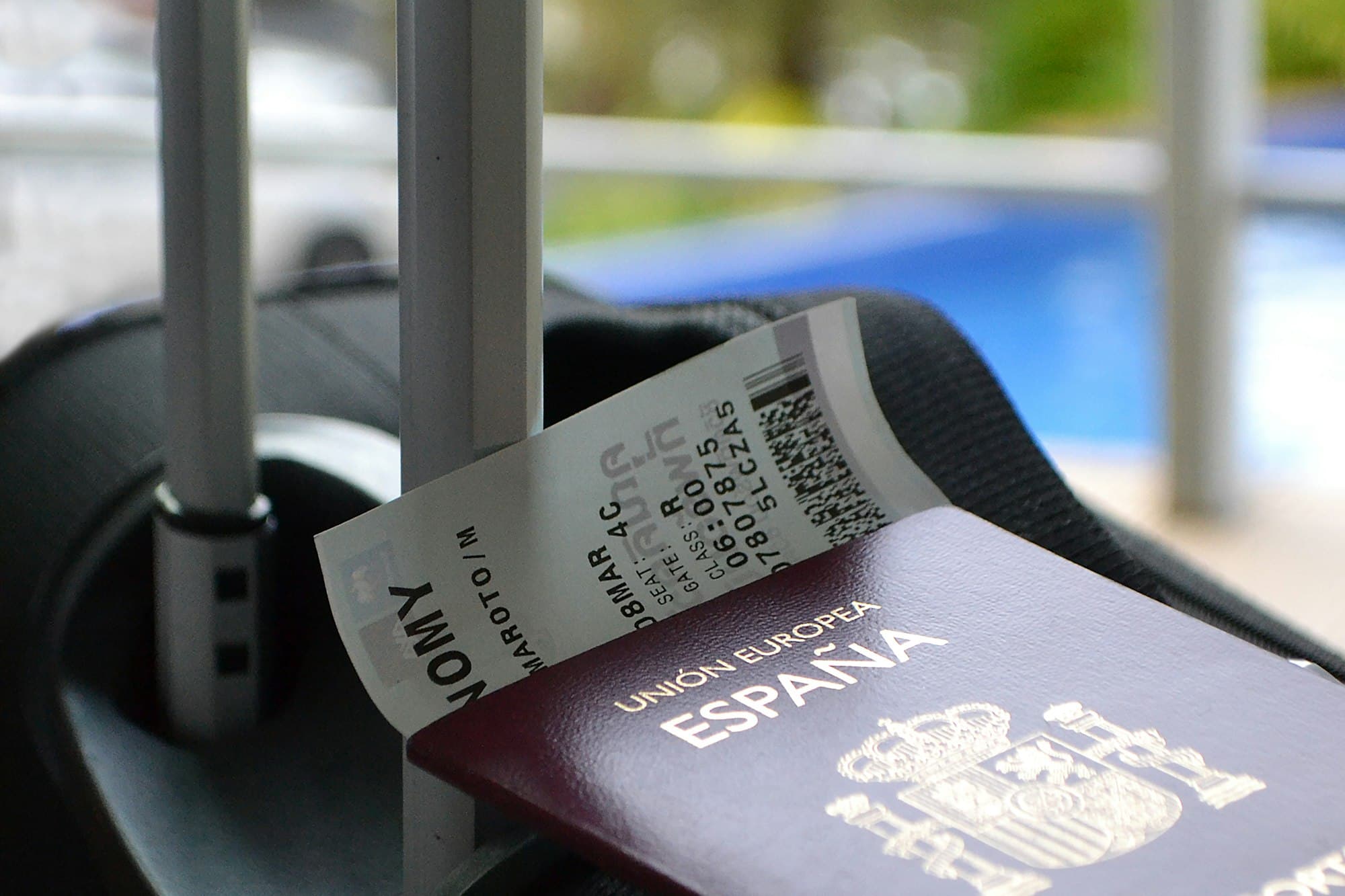
Source-backed articles on migration, travel, remittances, and the work of staying connected across countries.
Why Seychelles, the Maldives, and Georgia keep entry friction low, and what that strategy achieves.

Why India, Mexico, the Philippines, and Bangladesh send millions of workers overseas, and how those routes reinforce themselves.
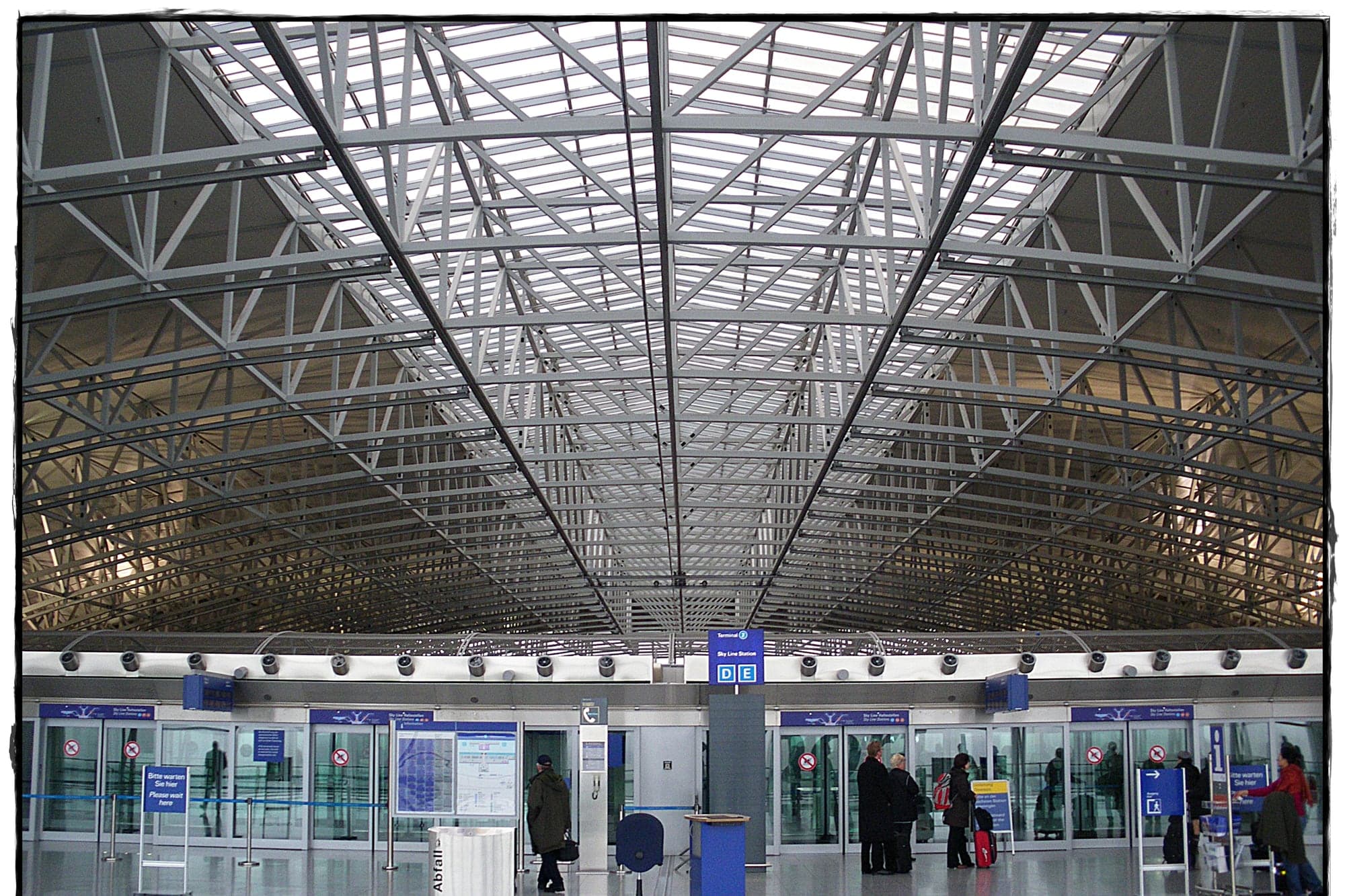
Why the Gulf, Western Europe, and Asia keep generating the world's biggest hub cities, and why other regions cannot easily catch up.
More articles

Why the United States, Germany, and Saudi Arabia top the immigrant rankings. For completely different reasons.

Why the United States earns more from visitors than any other country, and what separates high-spend destinations from high-arrival ones.
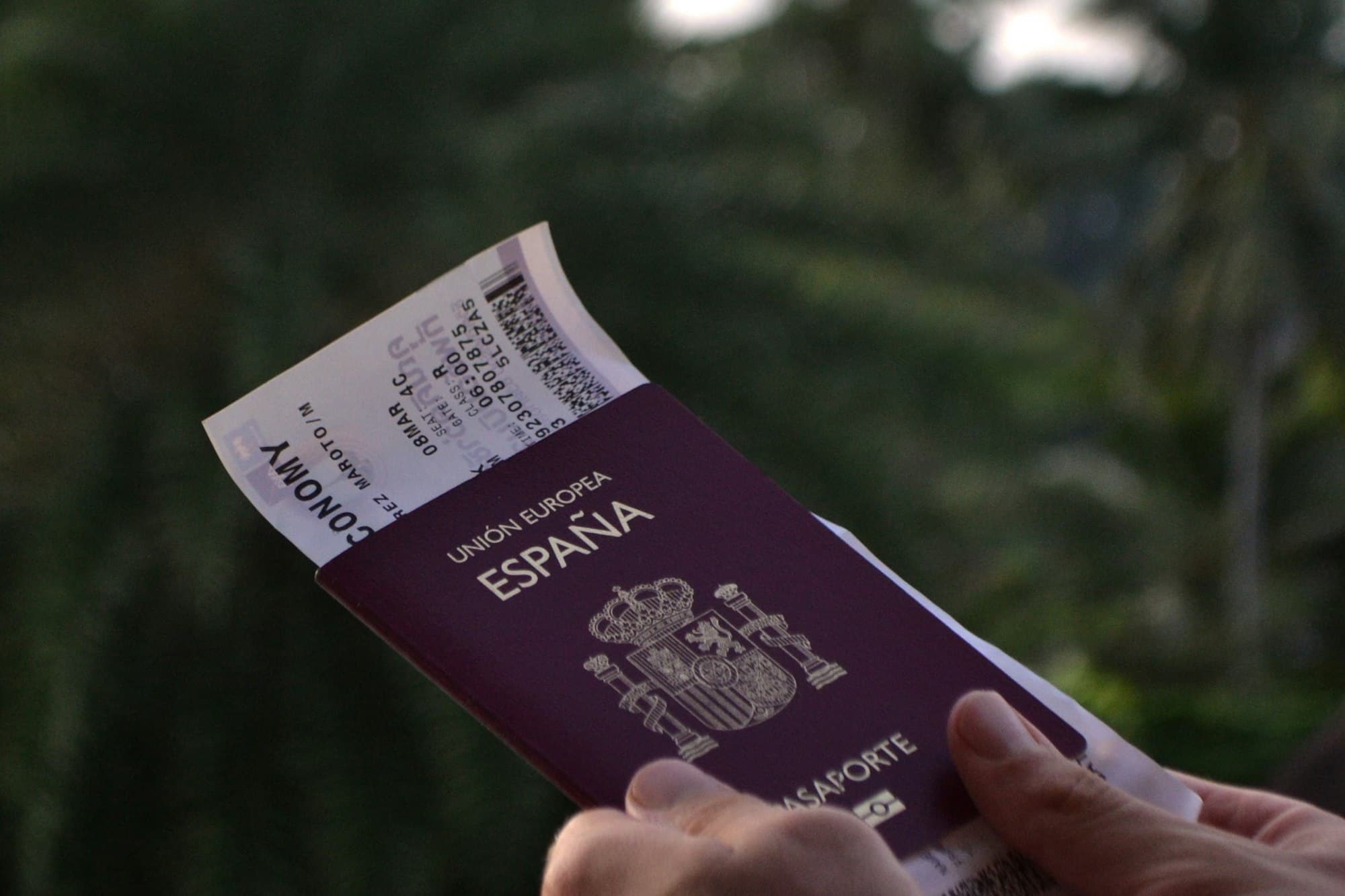
Why Singapore opens 195 destinations, Japan opens 193, and Afghanistan opens 26, and what passport rankings measure.

Why the UAE, Qatar, and Luxembourg have foreign-born populations above 50%, and what those shares mean for residents.

Why Bangkok, Istanbul, and London keep topping international visitor rankings, and how connectivity matters alongside attractions.

Why Dubai, London Heathrow, and Istanbul became major connecting airports while others remain busy but more locally focused.

Why the United States, the UK, and Canada lead student destination rankings, and what that shows about education and migration.
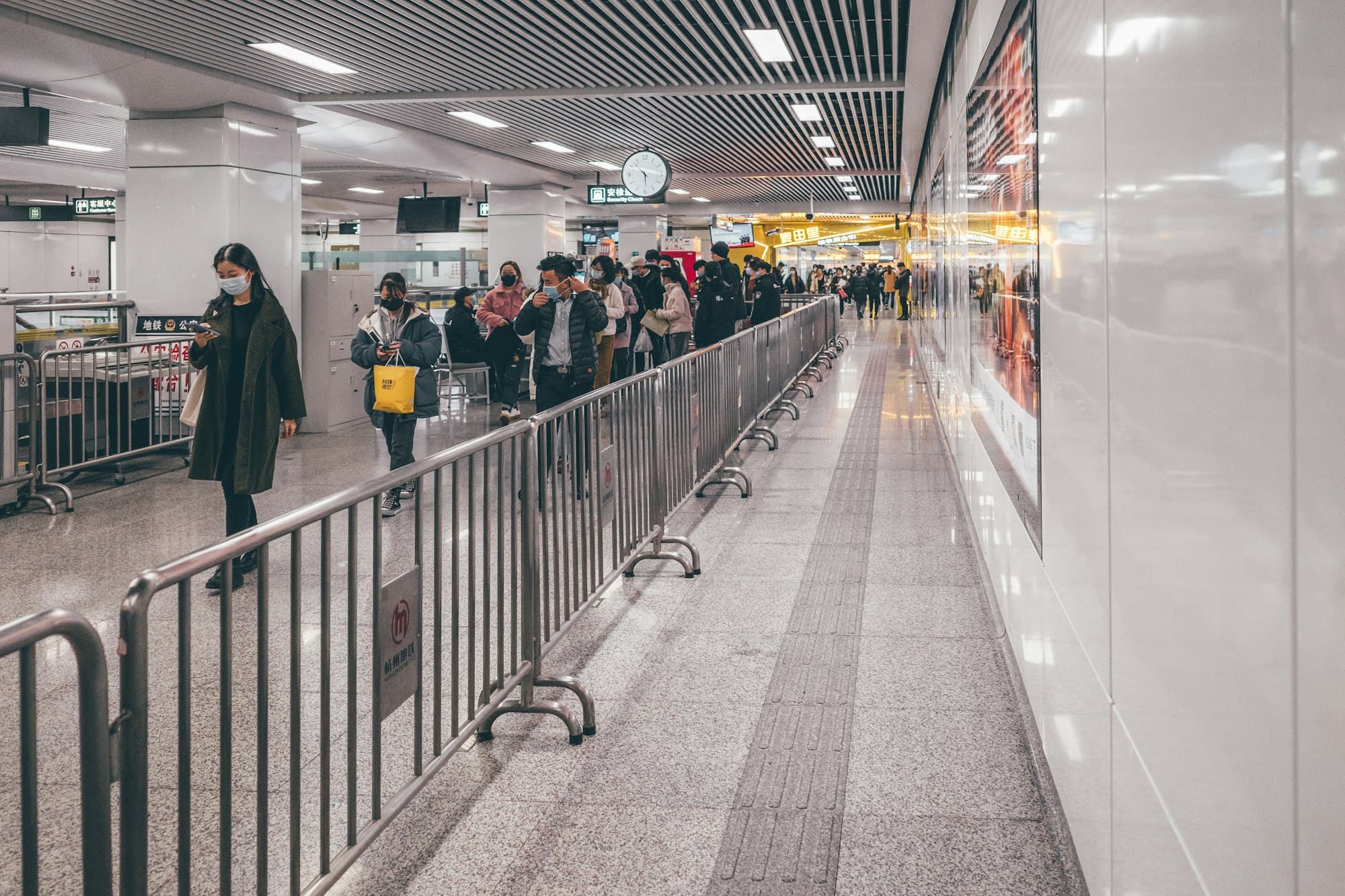
Why 350,000 people cross one bridge every day, while some international borders see almost no one.
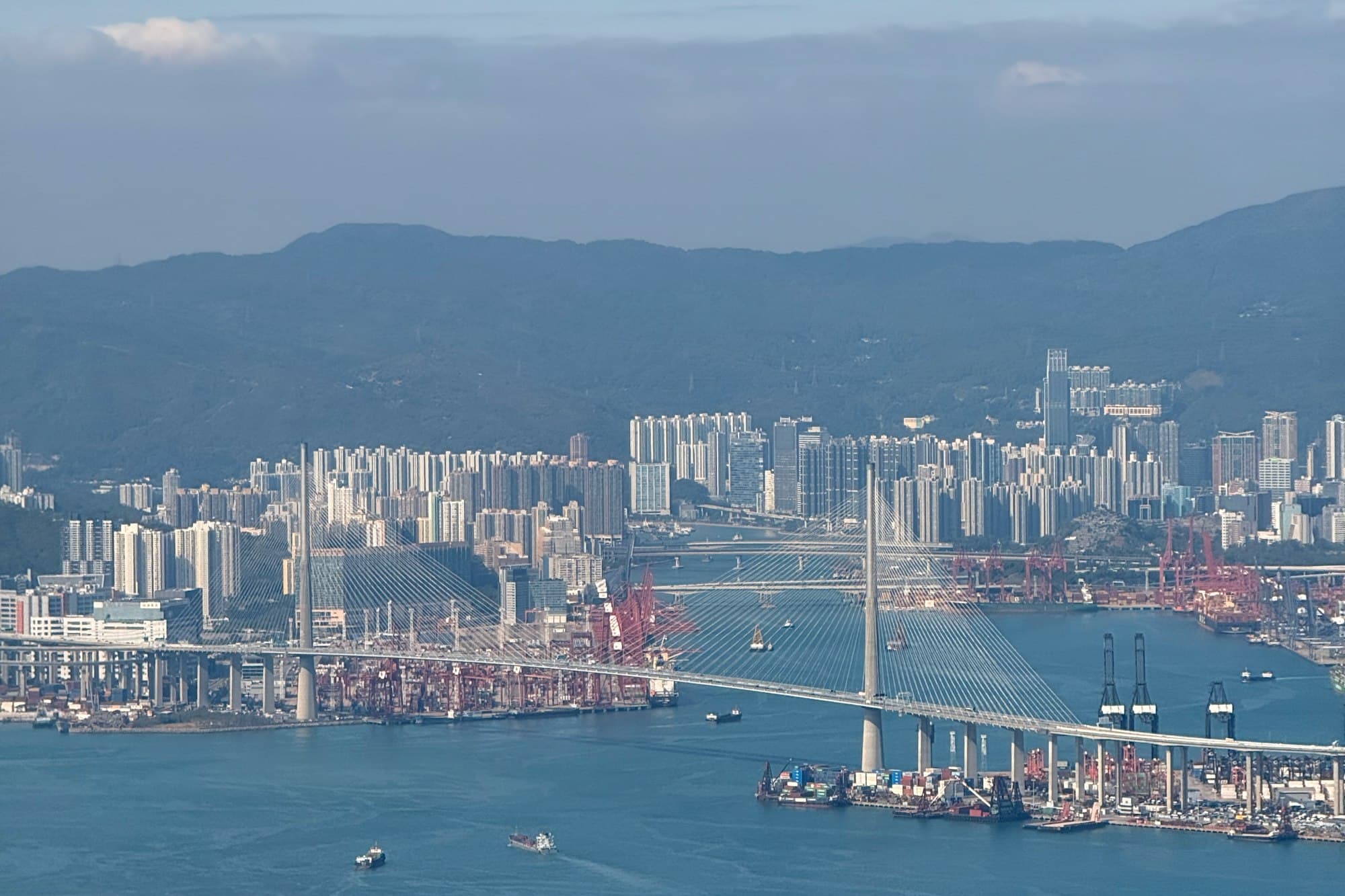
Why Tajikistan, the Maldives, and Tonga are among the countries most vulnerable to what happens in someone else’s economy.
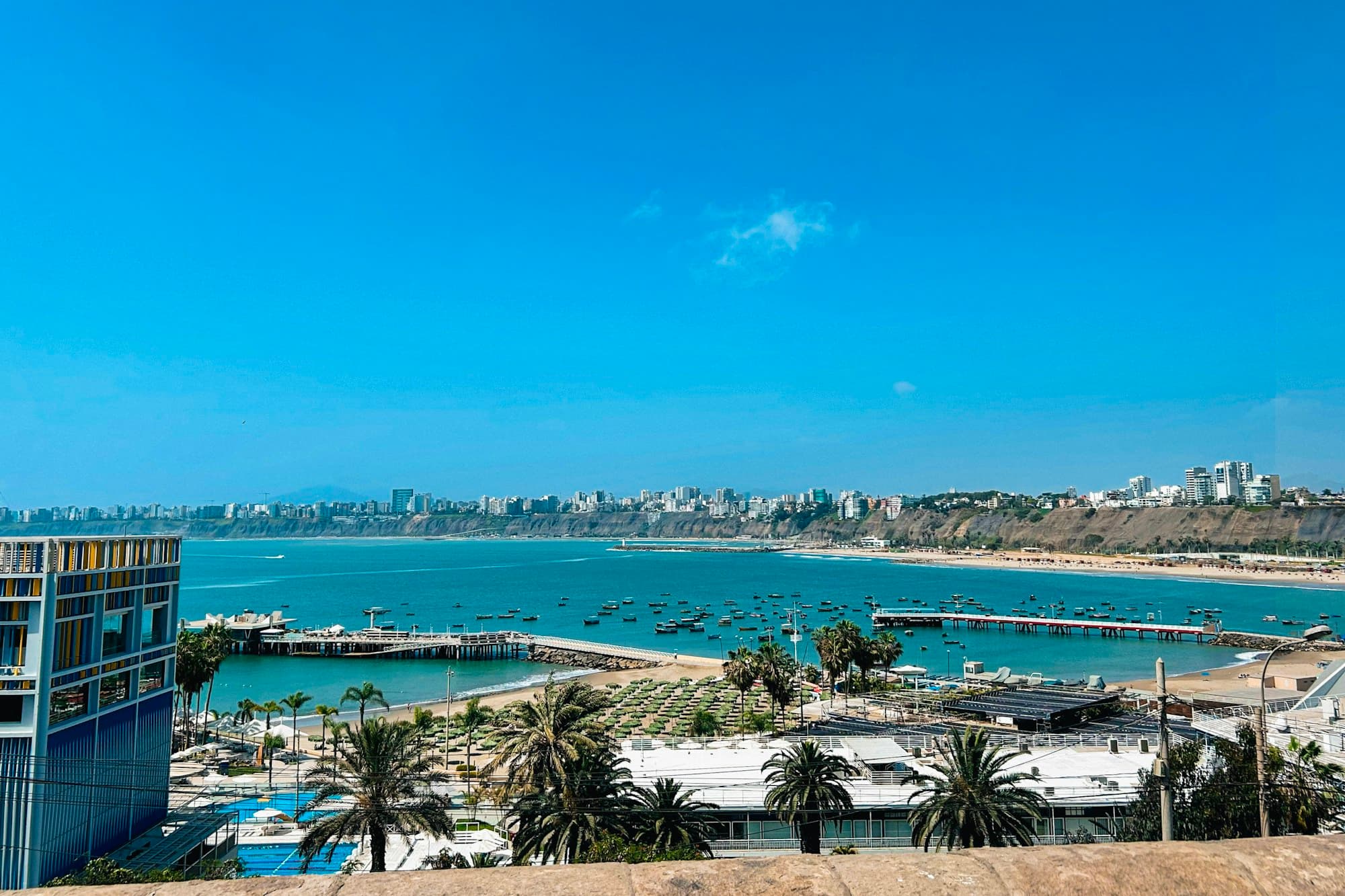
Why the countries most dependent on tourism are not the ones with the most famous beaches. They are the ones where visitor spending holds the whole system together.

Why India, Mexico, and China have some of the largest populations living abroad, and what those numbers represent.

Why India, Mexico, and the Philippines lead remittance rankings, and why the raw totals need context.
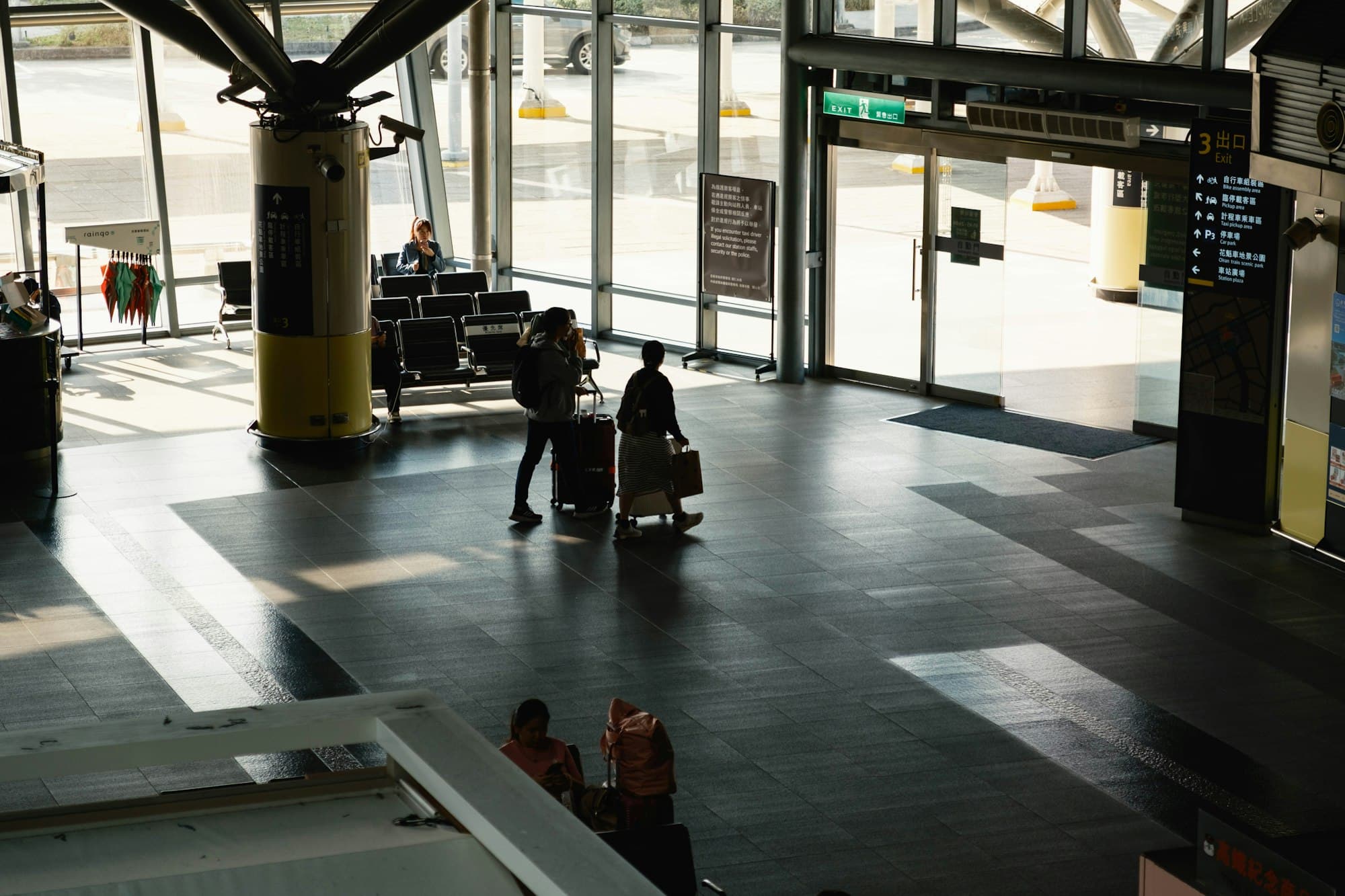
Why China, India, and Vietnam send so many students overseas, and what the numbers reveal about opportunity, inequality, and migration.
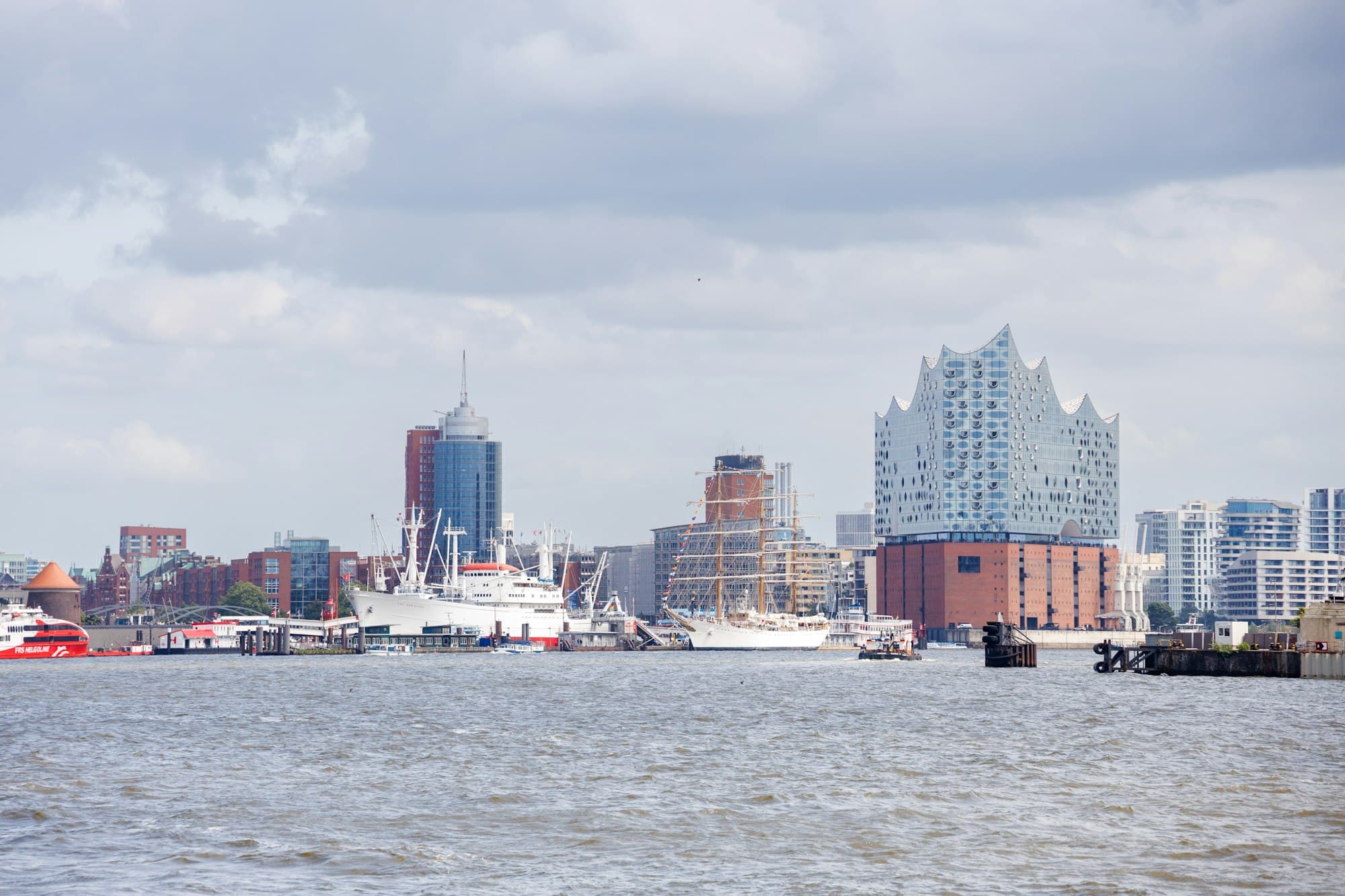
Why Singapore, Tonga, and the Maldives feel more internationally connected than countries fifty times their size.

Why some countries feel frictionless from the moment you land while others exhaust you before you have even cleared immigration.
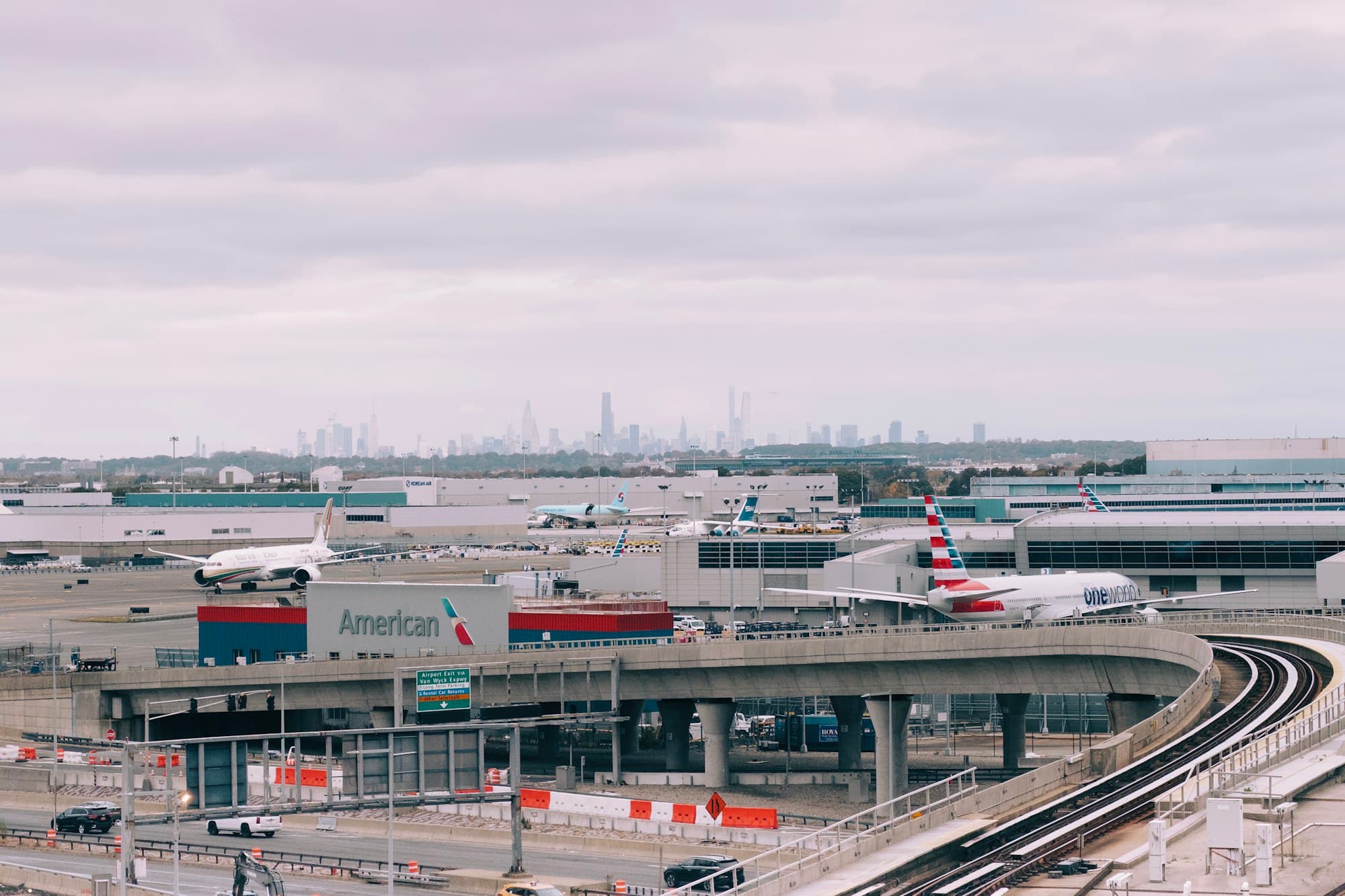
Why Dubai, Istanbul, London, and Singapore keep appearing in your flight itinerary whether you planned to visit them or not.

Why Seoul–Jeju, Melbourne–Sydney, and the same handful of corridors keep dominating air traffic rankings year after year.

How the geography of money sent home reveals which countries are truly connected by obligation, not just opportunity.

Why the gap between passport tiers affects work, education, family care, and far more than vacations.

How the post-pandemic travel rebound changed which regions grew fastest and which remained behind.

What separates a city that feels globally connected from one that only has an international airport, and why the difference matters.

Why the countries that combine tourism, migration, and remittance flows in one place tell you more about modern life than single-metric rankings ever could.

Why the countries most exposed to remittance disruption are not the ones that receive the most money. They're the ones where that money is the economy.

Why the most intense cross-border relationships depend on corridors and family networks, not headline GDP comparisons.

Why migration, study abroad, and family life keep flowing through the same handful of international pathways.

Why a tiny number of cities keep acting as the world's sorting rooms for people, flights, money, and ambition.

Why the smallest countries on the map often have the deepest connections to the rest of the world.

Why 1.4 billion international trips in 2024 still generated millions of unplanned phone calls to hotels, embassies, and local operators.

Why the countries that receive the most remittances also generate the most urgent, unglamorous international phone calls.

Why mixed-use corridors, where diaspora calls, travel support, and institutional contact overlap, stay busier than single-purpose routes.
Keep exploring
Browse live calling routes, compare landline and mobile pricing, and find destination-specific dialing guides.