

Why International Travel Still Leads to Phone Calls
Travel apps handle routine bookings. A missing reservation, changed flight, or consular question may still need a direct call to someone in another country.
Article details
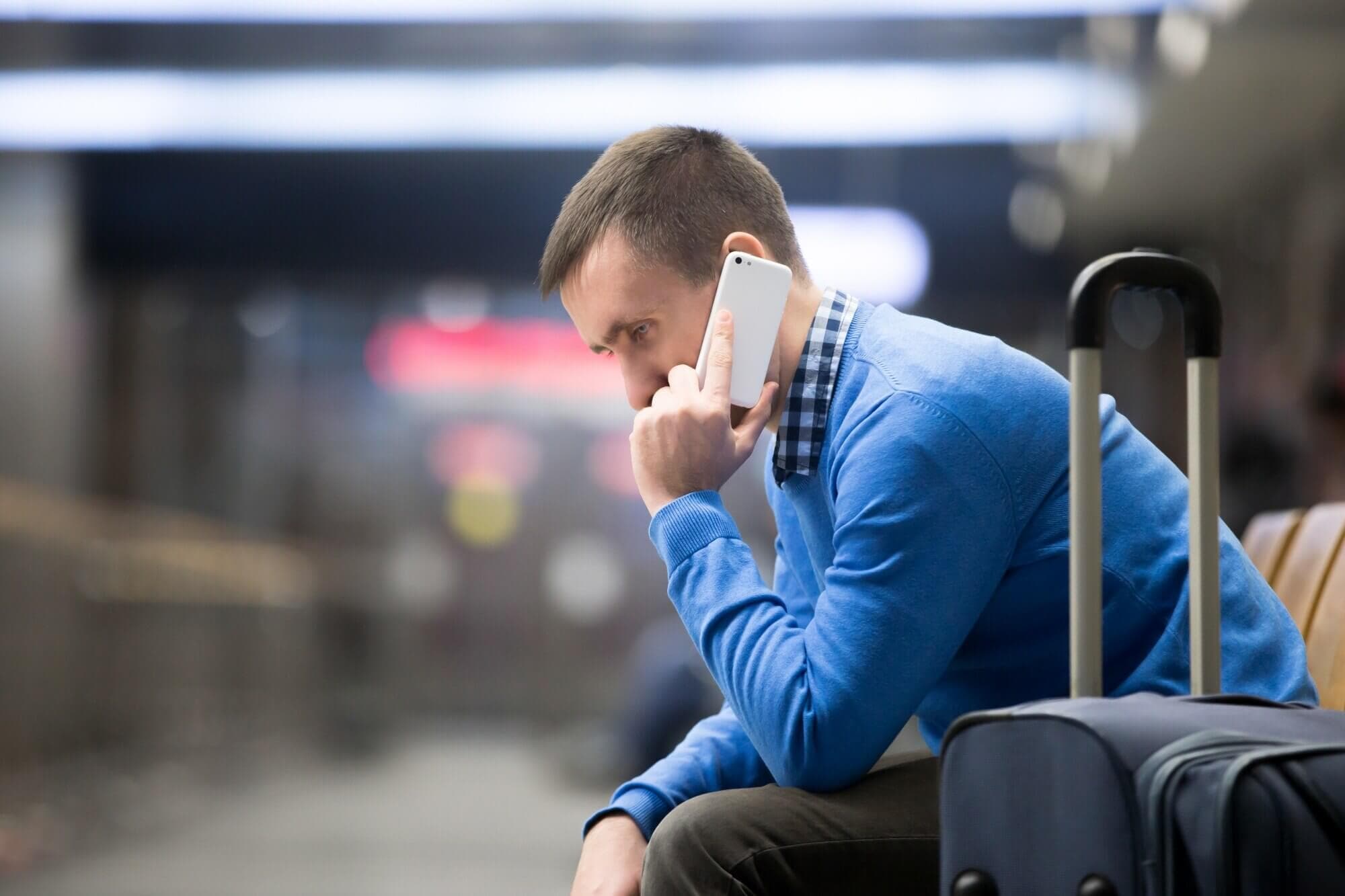
Travel apps handle bookings well until the details in two systems do not match. A hotel in Cairo may not find a reservation that appears as confirmed in the app, leaving the traveler to contact the front desk or reservations team directly. UN Tourism counted 1.4 billion international tourist arrivals in 2024 as travel returned to pre-pandemic levels. At that scale, many booking, transport, embassy, and local service questions still need a phone call to someone in another country.
More trips create more service questions
UN Tourism counted 1.4 billion international tourist arrivals in 2024, 11% more than in 2023 and close to the pre-pandemic total. Europe recorded 747 million arrivals. The Middle East reached 32% above its 2019 baseline, while Africa moved above pre-pandemic levels for the first time. Each trip depends on hotels, airlines, car rentals, embassies, and local transport. Digital systems handle much of that work, but they do not resolve every exception.
The calls travelers do not plan
Travel calls are usually unplanned. An airport transfer may not arrive in Bogotá. An embassy appointment in Riyadh may move and need confirmation before the next day. A pharmacy in Lisbon may need verbal authorization from a doctor, or a tour operator in Marrakech may take late bookings only by phone. These are ordinary service problems repeated across 1.4 billion trips.
- Hotels still use direct desk calls for late arrivals, room disputes, and reservation mismatches, especially smaller properties outside the large booking platforms.
- Local transport operators and tour guides often coordinate by phone once the traveler is on the ground.
- Embassies, clinics, and government offices may move time-sensitive cases to a phone call when a message cannot resolve them quickly enough.
The destination changes the kind of call
A hotel-booking call in Greece is different from a consular call in Saudi Arabia or a medical appointment call in Colombia. Destinations such as Egypt, Türkiye, Portugal, the Dominican Republic, and Saudi Arabia combine tourism, business activity, diaspora visits, and local services. That mix produces several kinds of calls, each with its own number, opening hours, and urgency.
Check the details before you call
There is a difference between a call that solves your problem in three minutes and one that lands on a voicemail at 2 AM local time because you did not check the time zone. Before you dial a hotel desk in Cairo or a university office in São Paulo, you want three things: the local time right now, whether you are calling a landline or a mobile (the cost difference can be significant), and a basic sense of when that kind of office actually picks up the phone.
- Talkala's country guides show time zones, dialing formats, and business-hour windows for each destination.
- The rates page tells you what a landline costs versus a mobile, so you are not surprised when the hotel desk rings at one price and the tour operator's cell phone bills at another.
References
Sources
- 1UN Tourism 2024 recovery update
January 21, 2025. Source for the 1.4B arrival estimate, 99% recovery level, and regional performance.
- 2UN Tourism Barometer data page
Reference surface for ongoing global tourism statistics and revisions.
Start calling abroad
Move from travel trend to route prep
Check the destination rate and country guide before you call a hotel desk, office, or service line abroad.