

Why 18.5 Million Indians Work Overseas and Why the Pattern Continues
A worker abroad is part of a bigger system at home. Labour-exporting countries build habits, institutions, and family expectations around overseas work over decades.
Article details
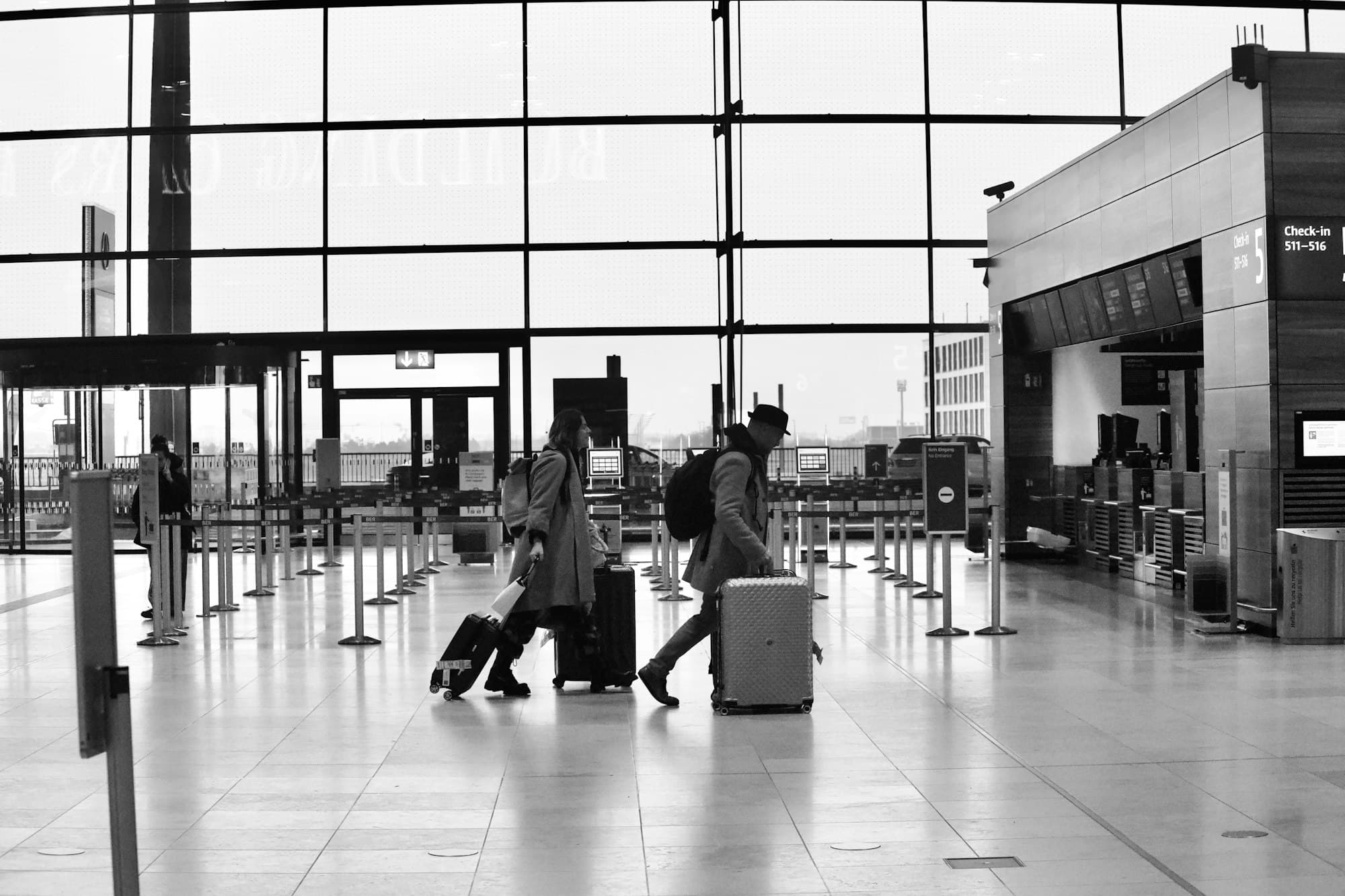
When a country sends large numbers of workers abroad, the easiest explanation is wage differences. That is real, but incomplete. India has 18.5 million people working overseas. Mexico: 11 million. Bangladesh: 7.8 million. The Philippines: 6.2 million. Pakistan: 6.5 million. Large labour outflows become durable when whole systems grow around them: recruitment agencies, family expectations, financing arrangements, language training, destination networks, and the belief that a future abroad is more realistic than one at home. By the time the numbers get this big, migration is no longer just an option. It is an institution.
Some labor-exporting countries sustain very large overseas populations
Selected countries show the scale of the populations abroad that underpin long-running labor-migration systems.
What this chart measures
People from the country living abroad (millions of people).
How to read it
Selected countries shown for comparison, not a full global ranking.
Huge emigrant stock spread across several destination systems.
A long-standing labor and family corridor centered on the United States.
A state-linked overseas work model with strong remittance ties.
A major labor-exporting country with Gulf routes at the center.
A country where overseas work is a major household strategy.
Large labor outflows usually reflect a whole mobility system, not just a temporary scramble for jobs.
Wage gaps are the beginning, not the whole story
A large labour outflow often begins with a wage gap. A construction worker in Kerala might earn $200/month at home and $800/month in Dubai. Wage differences alone do not produce the same migration intensity everywhere. People also need routes, information, financing, and trusted examples that make leaving realistic. Migration systems grow around prior success as well as economic need.
- A wage gap matters most when a migration path feels usable.
- Opportunity abroad becomes real when enough people can imagine themselves reaching it.
Recruitment systems turn aspiration into movement
The Philippines has built a government system around overseas work. The POEA processes deployment contracts, manages recruitment agencies, and tracks welfare abroad. Bangladesh and Pakistan have similar networks of recruiters, brokers, training centers, remittance channels, and destination-specific knowledge. These systems can create risks and exploitation, but they also lower the practical difficulty of following an established route.
- Migration becomes more durable when an industry forms around it.
- Established routes help outflows persist even when conditions shift.
Family expectations keep the system going
In many places, overseas work becomes part of how families plan for education, housing, medical costs, or social mobility. Once many households have a relative in Dubai, Toronto, or Riyadh, migration changes from an exceptional choice into a familiar path. People move because they can see how the route works and how earlier migrants used it, not only because a wage difference exists.
- Migration can become a household development strategy.
- Family precedent lowers the psychological barrier to leaving.
Destination demand matters just as much
Worker-sending countries do not create these flows alone. Gulf construction booms need South Asian labour. Aging societies in Japan and Europe need care workers. North American agriculture needs seasonal labour. Filipino nurses are recruited specifically because their training and English skills match hospital needs in the US, the UK, and Saudi Arabia. Labour migration is always a two-sided system.
- Destination demand helps turn sporadic outflow into a repeat corridor.
- Certain national pairings become durable over time because both sides know how the system works.
Once established, the route self-reinforces
Remittances finance more departures, diaspora networks reduce uncertainty, and recruiters specialise. Families also learn from households already benefiting from a route. Labour-exporting systems therefore tend to grow over time rather than follow one short-lived shock. The Philippines has sent workers abroad for five decades, and India's Gulf migration corridor has operated since the 1970s oil boom. Each generation builds on the routes and knowledge established before it.
References
Sources
- 1UN International Migrant Stock 2024
Core source for comparing emigrant-origin populations across countries.
- 2World Bank remittance update
Useful support for understanding the household and macroeconomic importance of labor migration.
- 3ILO labour migration resources
Background on recruitment systems, labor demand, and the governance of cross-border work.
Start calling abroad
Keep exploring the subject
Read more source-backed explainers about travel, migration, borders, money, and the systems that shape life across countries.