

Which Countries Depend Most on Tourism?
Everyone counts tourists. The more useful question is: which countries would notice at the grocery store if visitor spending dropped by half?
Article details
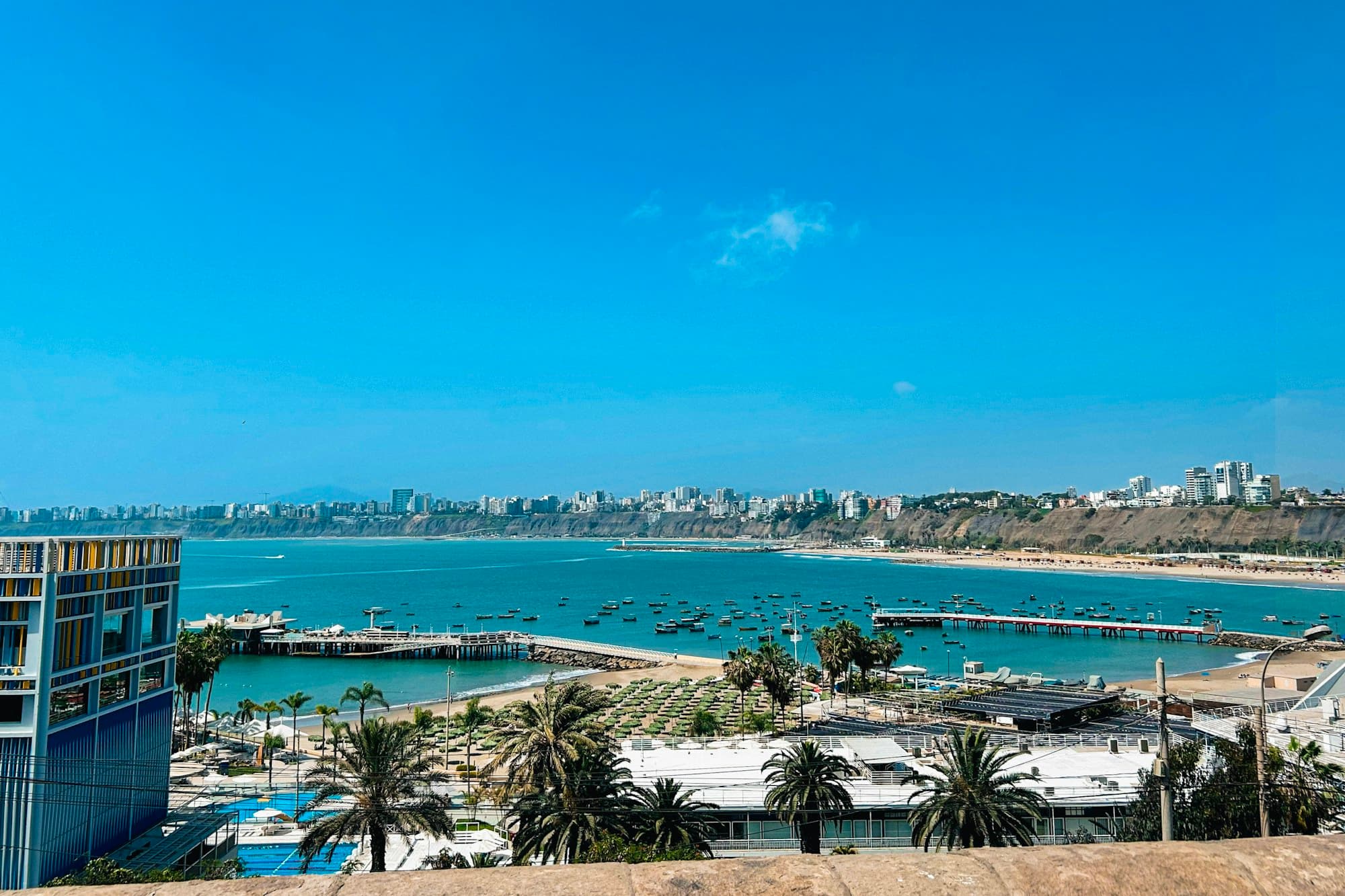
Tourism is a major source of income in many countries, but the level of dependence varies sharply. Visitor spending accounts for 39.6% of GDP in the Maldives, 26.4% in the Seychelles, and 10.3% in Jamaica. When tourism supports hotels, restaurants, taxis, tour guides, and local shops at that scale, a drop in arrivals affects much more than the travel sector. The important question is how much of the wider economy depends on visitor spending.
A handful of small tourism economies sit far above the rest
Tourism dependence is best read as a share of GDP, because that shows how deeply visitor spending is woven into the economy.
What this chart measures
Tourism contribution to GDP in the cited World Bank series (% of GDP).
How to read it
Selected countries shown for comparison, not a full global ranking.
World Bank tourism contribution estimate for a highly tourism-dependent island economy.
A small state where tourism is central to the economic model.
Tourism remains one of the clearest drivers of national income.
A tourism-heavy island economy with strong visitor dependence.
A large Caribbean tourism economy where visitor flows remain structurally important.
The strongest tourism economies are not the biggest countries. They are the places where visitor spending carries a much larger share of the national load.
Popularity and dependence are not the same thing
France gets 89 million visitors a year, but it also has an economy worth $3 trillion. Tourism is therefore one part of a broad economy. The Maldives receives fewer visitors in total, yet tourism represents nearly 40% of GDP. A popular country can absorb a travel shock across many sectors, while a dependent one feels it in wages, tax revenue, employment, and grocery prices.
- Arrivals show popularity.
- GDP share shows exposure.
- A country can be world-famous to travelers without depending on them, and the reverse can also be true.
Islands feel the wave first
The strongest tourism dependence is often found in small island economies with few other large sectors to absorb a downturn. When visitors stop coming to the Seychelles, manufacturing, technology, or commodity exports cannot easily replace the lost activity. Hotels, restaurants, transport providers, and government revenue all feel the change. That exposure follows from the size and structure of the economy, not from a simple policy choice.
- A smaller economy has less room to hide a tourism shock.
- The effects show up in wages, public spending, and employment almost immediately.
A million tourists in France is not a million tourists in Barbados
A million tourists represent a small share of a country with 67 million residents, but more than three times the population of a country with 280,000 residents. Housing, labour markets, and infrastructure respond differently at that scale. Visitor totals matter, but the size of the local population matters more when measuring tourism's effect.
Dependence changes what a government prioritises
Countries that depend heavily on tourism often prioritise airport capacity, accommodation, simpler visa processes, and airline connections. These policies can support growth when demand is strong, but they also concentrate risk. A pandemic, recession, or cancelled flight route can reduce activity across hotels, transport, retail, and public revenue at the same time.
- Tourism dependence creates a powerful incentive to keep borders open and friction low.
- It also makes the economy more exposed to disruptions that originate in someone else’s country.
References
Sources
- 1World Bank tourism dependence paper
Background on tourism contribution to GDP and how it differs across economies.
- 2World Bank tourism vs GDP databank
Comparable World Bank indicator for tourism receipts as a share of GDP.
- 3UN Tourism recovery update
Context for how tourism recoveries differ across regions and destination types.
Start calling abroad
Ready to make the call?
Talkala lets you call real phone numbers abroad from your browser, see the rate before dialing, pay with prepaid credit, and start quickly without a carrier international add-on.