

Which Countries Are Easiest to Visit Without a Visa?
Destination openness is not the same as passport power. It reflects how welcoming, commercially ambitious, or regionally integrated a country chooses to be towards visitors.
Article details
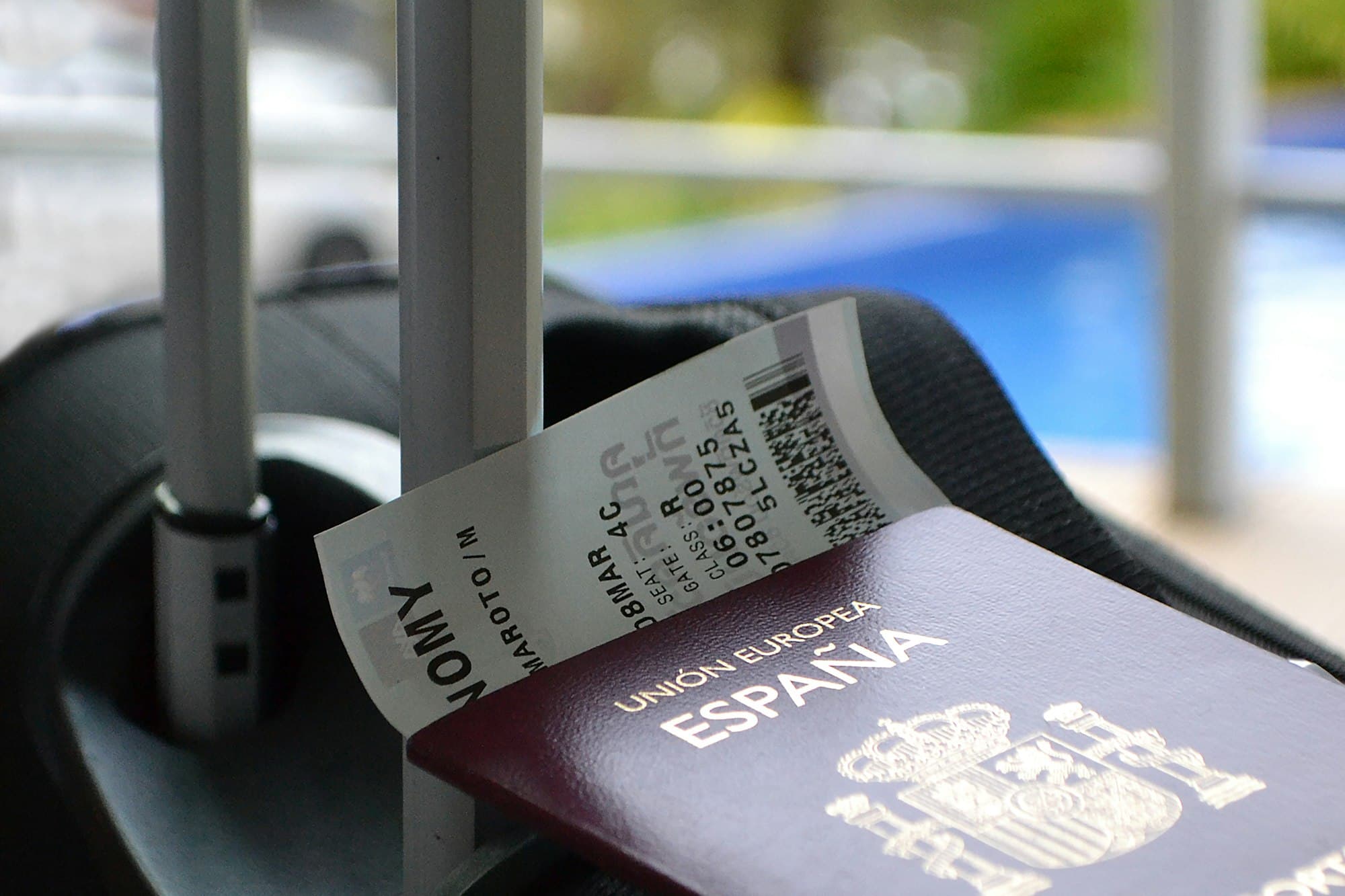
Visa freedom depends on both a traveler's passport and the destination's entry policy. Seychelles gives nearly universal visa-free entry. The Maldives scores 95 on UN Tourism's openness index, Georgia admits over 95 nationalities under its open-entry rules, and the UAE scores 82. Countries often simplify entry to support tourism, business travel, or regional movement when they judge the benefits to outweigh the costs.
Some destinations are far more open to visitors than others
Selected destination countries illustrate how sharply short-term entry rules can vary depending on tourism strategy, region, and state capacity.
What this chart measures
Destination visa openness score in UN Tourism reporting (0-100 scale).
How to read it
Selected countries shown for comparison, not a full global ranking.
Widely open entry model tied to tourism and accessibility.
A tourism-led destination that keeps entry relatively easy.
A country that uses openness as part of its positioning.
A major connector that benefits from keeping access workable.
A more selective case that still widened access as tourism demand grew.
Visa openness is often a policy choice about what kind of movement a country wants to encourage.
Traditional visas still define most of the world's travel rules
UN Tourism's global mix of entry rules shows that although eVisas and visa-on-arrival systems have grown, most of the world's population still faces a traditional visa requirement.
What this chart measures
Share of the world's population facing each short-stay entry rule in UN Tourism reporting (% of world population).
How to read it
Global distribution shown for context. This chart explains the entry-rule mix, not a country ranking.
The largest global entry-policy category in UN Tourism reporting.
The share of the world population that can travel without a visa for many short stays.
Digital entry approval has grown, but it still does not dominate.
A meaningful convenience layer, especially in tourism-driven destinations.
Even when some destinations are very open, the typical global traveler still encounters a lot of paperwork somewhere in the trip-planning process.
Visa openness starts with a strategic question
Does a country think easier entry will help more than it will hurt? Where the answer is yes, governments simplify the process, expand visa-free lists, or use e-visas to reduce friction. Where the answer is no, visitors face more paperwork. The rules may look bureaucratic, but the logic is usually economic. Seychelles keeps entry wide open because its 26.4% tourism-to-GDP ratio depends on making arrival easy.
- Visa rules are policy signals, not just paperwork.
- Openness reflects how strongly a country values incoming travel and business.
Tourism-led countries open up fastest
Countries that depend heavily on visitors have a strong reason to make entry easy. The Maldives (39.6% of GDP from tourism), Seychelles (26.4%), and island economies across the Caribbean and Pacific understand this better than anyone. If your product is a visit, the journey into the country becomes part of the product. A cumbersome visa process is like putting a tollbooth on the beach.
- Destinations competing for short-term travellers often reduce friction first.
- The easiest countries to visit are often the ones treating travel as an export industry.
Regional integration makes openness easier
Some countries can be open because they sit inside a wider regional movement system. EU citizens move freely across 27 member states. ECOWAS in West Africa allows regional border crossing. ASEAN has expanded short-stay visa waivers. Regional agreements reduce uncertainty and spread the political cost of liberalising travel.
- Regional trust makes visa liberalisation easier to sustain.
- Destination openness is stronger where neighbouring mobility is already normal.
Openness is rarely universal
Even the easiest countries to visit are not equally open to everyone. Japan, with an openness score of 70, is much more accessible for European Union and United States passport holders than for many African or South Asian passport holders. Visa rules are selective by design, so destination openness and passport power are related but not identical.
- Traveller experience depends on both sides of the border equation.
- Openness rankings need careful reading.
The easiest countries to visit usually know why they are doing it
Countries often simplify entry to support tourism, hub status, commerce, or regional integration. Seychelles uses broad visitor access, the UAE connects entry policy to its role as a global hub, and Georgia uses easy entry to support tourism and business. These are strategic policy choices with specific economic goals.
References
Sources
- 1UN Tourism Visa Openness Report
Public article page for the 2023 Visa Openness report, including the linked report PDF and the global entry-rule mix cited in the chart.
- 2IATA Travel Centre
Useful real-world reference for how destination entry rules are operationalized for travelers.
- 3World Economic Forum travel and tourism reports
Context on how openness interacts with tourism competitiveness and infrastructure.
Start calling abroad
Keep exploring the subject
Read more source-backed explainers about travel, migration, borders, money, and the systems that shape life across countries.