

Why the Same Cities Become Global Stopovers
Global stopovers are built by geography, airline networks, and habit. Once a city becomes useful as a junction, it keeps getting chosen as one.
Article details
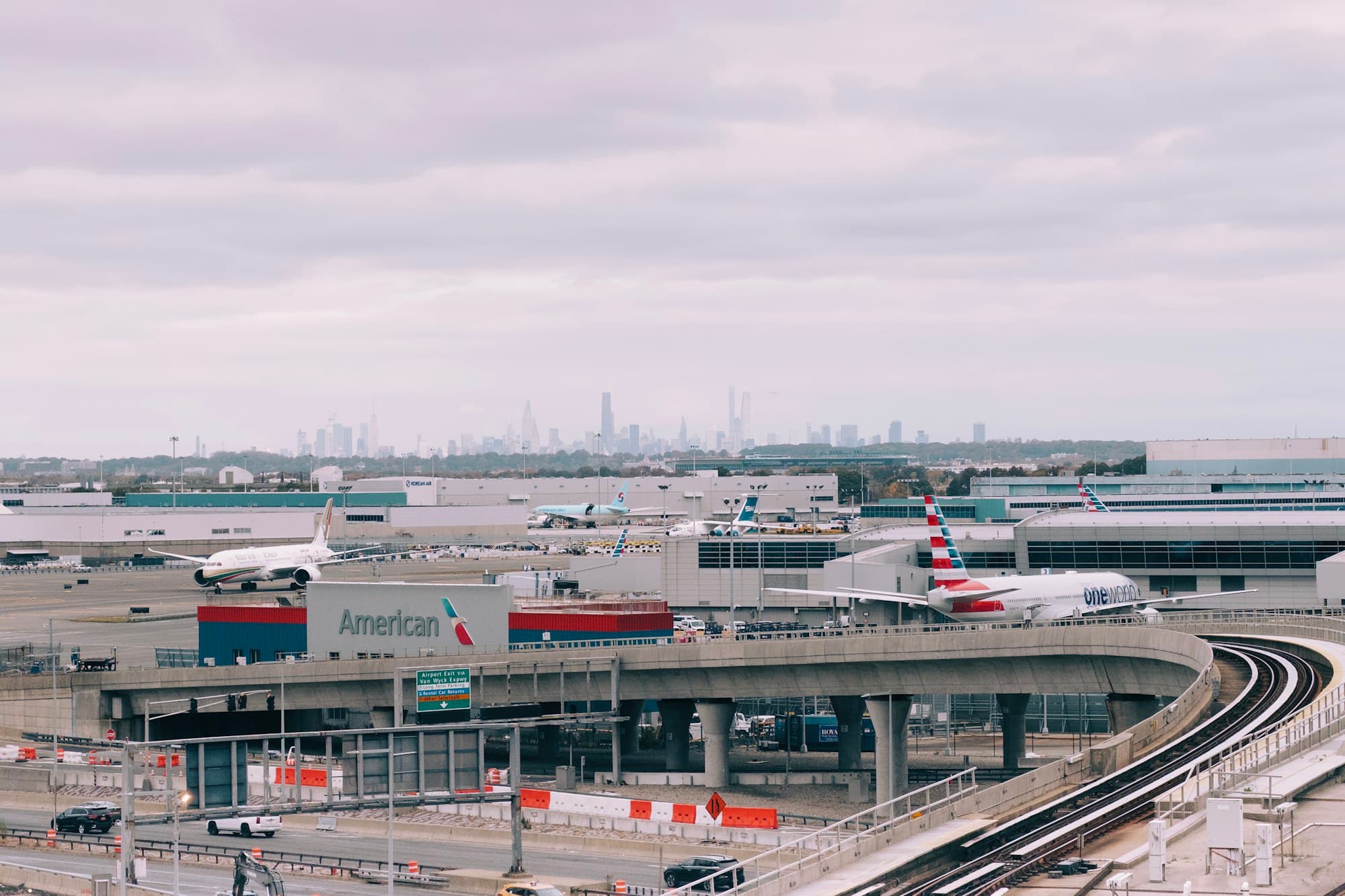
Cities such as Dubai, London, Istanbul, and Singapore are central to international travel because their air networks, time zones, and route patterns make them useful connection points. Dubai alone handled 92.3 million international passengers in 2024, more people than live in most countries. A stopover city is designed to serve people traveling between other destinations as well as people visiting the city itself.
A few gateway airports still dominate international movement
International passenger traffic is one of the clearest visible signs that a city has become a global junction.
What this chart measures
Passengers handled in 2024 at the city's main hub airport (millions of passengers).
How to read it
Selected cities shown, using their main hub airport as a proxy rather than a full city-level economy or population measure.
The world leader for international passenger traffic in 2024.
A classic transatlantic and long-haul junction.
A bridge between Europe, the Middle East, and Asia.
A compact city-state that punches far above its size.
Stopover cities win because they sit inside the route network, not because they are the most famous places on the map.
Source: ACI World airport rankings
Stopovers happen where routes collide
A global stopover is a city where several long-haul flows cross at once. Istanbul sits between Europe, the Middle East, and Central Asia. Dubai bridges Africa, South Asia, and East Asia. Singapore anchors Southeast Asia to everywhere else. Geography matters, but network design matters more. If a city sits at the intersection of important traffic lanes and has the airport capacity to handle them, airlines and passengers keep choosing it because it makes every trip work more smoothly.
- A stopover is a network function, not a tourist role.
- The city becomes useful because it connects other places efficiently.
- That usefulness compounds over time.
Airlines turn geography into habit
An airport becomes a stopover hub when schedules line up in a way that feels natural. Turkish Airlines operates flights to more countries than any other carrier in the world. That is a strategy built around Istanbul’s geography. Once routes are built around a city, connecting there starts to feel normal. Stopover cities keep their position even when other places grow because the route pattern has already settled into muscle memory.
- Travelers do not choose hubs for the city itself. They choose them because the connection is reliable.
- Airline schedules are a big part of what turns a city into a global junction.
Population has almost nothing to do with it
Singapore has 5.9 million people but handled 67.1 million international passengers in 2024, more than 11 times its population. Some huge cities do not matter as stopovers at all. What matters is whether the city sits on important transcontinental routes and whether the infrastructure can support repeated transfer traffic. Size of the city is irrelevant; position in the network is everything.
- A stopover city can be much smaller than a destination city.
- Connectivity is built from function, not population.
Stopovers become economies unto themselves
Once a city becomes a transfer point, it starts growing hotels, lounges, logistics, and time-sensitive services designed around people in motion. Dubai built more than an airport. It built an entire duty-free economy, a transit-visa tourism product, and a hotel strip designed to capture layover spending. The city is no longer simply passing traffic through. It is monetising the wait.
- Stopover cities grow support systems around the flow of passengers.
- The city becomes a place where waiting, connecting, and rerouting are part of the local identity.
A stopover city is a shortcut for the world
The best way to understand a stopover city is as a shortcut. It shortens the distance between two other places. Once a city is trusted in that role, it keeps getting repeated in route maps, airline schedules, and traveler habits. The same five cities appear on boarding passes year after year because they are useful places to connect through, even when they are not the final destination.
References
Sources
- 1ACI World airport rankings
Primary source for international passenger traffic and hub ranking context.
- 2UN-Habitat World Cities Report
Background on how cities operate as dense systems of opportunity and connection.
- 3Dubai Airports 2024 traffic update
Useful reporting on how a global stopover city turns passenger traffic into a defining role.
Start calling abroad
Ready to make the call?
Talkala lets you call real phone numbers abroad from your browser, see the rate before dialing, pay with prepaid credit, and start quickly without a carrier international add-on.