

Why Some Passports Give Access to 195 Destinations and Others 26
A powerful passport offers travel convenience and signals that other states broadly trust its issuing country and travelers.
Article details
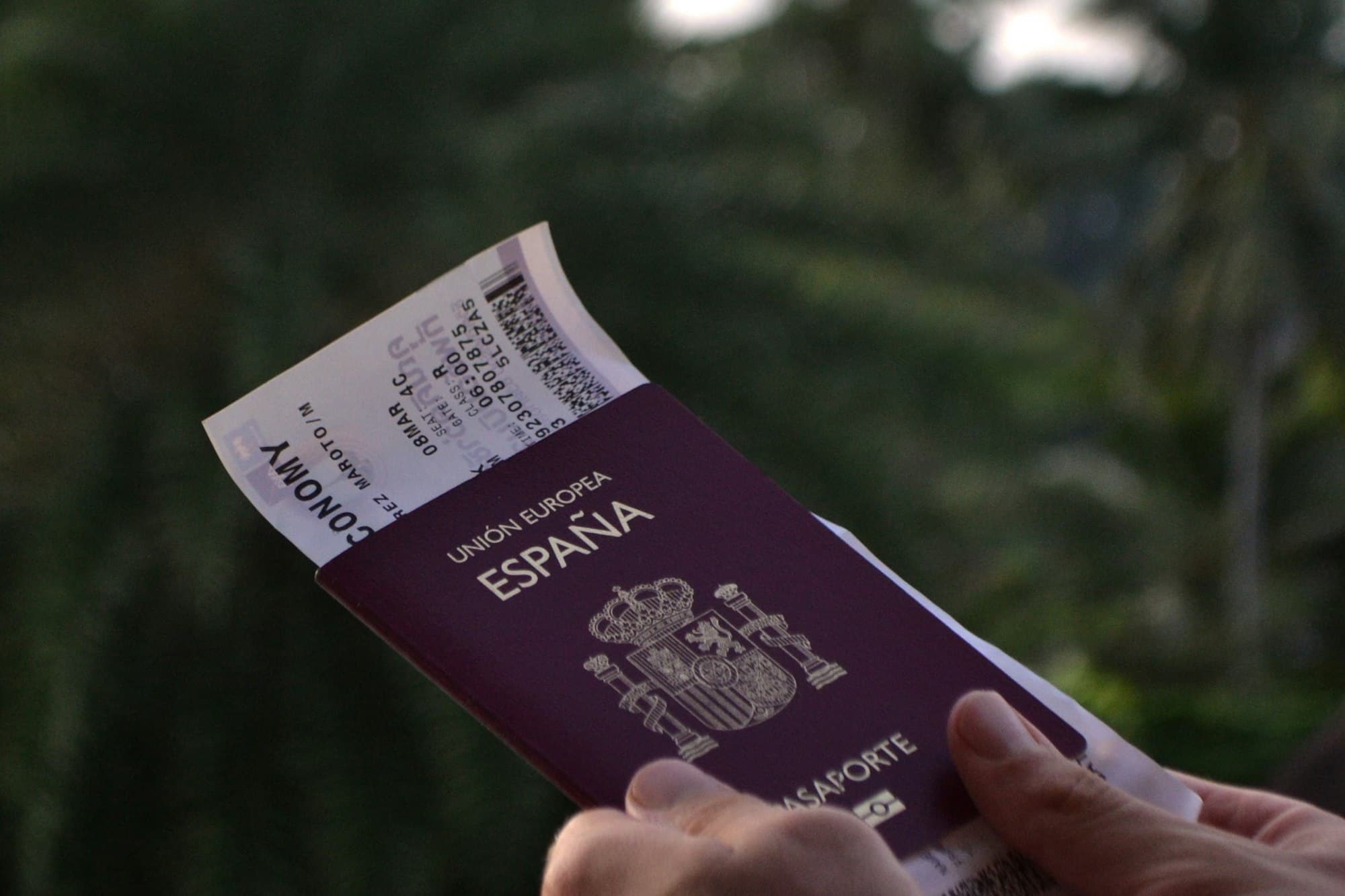
Passport rankings list where a person can travel without obtaining a visa in advance. A Singapore passport gives access to 195 destinations, a Japanese passport to 193, a German passport to 192, an Indian passport to 85, and an Afghan passport to 26. The gap shows how unevenly the world distributes mobility. A strong passport reduces border paperwork, while a weaker one makes more trips begin with an application and approval process.
Passport power varies enormously across the world
Recent passport rankings show a very wide gap between the most mobile nationalities and the least mobile ones.
What this chart measures
Visa-free or visa-on-arrival destinations available to the passport holder (destination count).
How to read it
Selected passports shown for comparison, not a full global ranking.
A leading passport by visa-free or visa-on-arrival access.
A consistently high-mobility passport.
A strong European example tied to trust and reciprocity.
A reminder that large global influence does not automatically mean easy mobility.
An example of how sharply restricted mobility can become.
Passport strength is less about personal merit than about how much confidence other states place in the issuing country.
Source: Henley Passport Index
A passport ranking is really a ranking of friction
What these lists measure is how much bureaucracy stands between a traveller and a short trip. 195 destinations means almost no friction anywhere. 26 destinations means paperwork, fees, waits, and uncertainty for almost every trip you could imagine. Passport rankings are not about convenience. They measure how unevenly the world distributes hassle.
- Powerful passports lower friction, not just cost.
- Weak passports mean uncertainty long before the trip begins.
- That difference changes who gets to move spontaneously and who does not.
Diplomacy and reciprocity sit at the centre
Visa-free access reflects reciprocal agreements, diplomatic trust, and how governments assess short-term visitors from another country. Japan, with access to 193 destinations, has dense diplomatic ties and a strong administrative reputation. Afghanistan, with access to 26, does not receive the same treatment. Passport power is partly a political relationship score assigned by other governments.
- Reciprocity is one of the main engines behind passport strength.
- A state that is trusted abroad gives its passport holders a quieter travel experience.
Economic inequality shows up in the ranking
Passport power mirrors global inequality. Wealthier, more stable countries tend to have stronger passports. Citizens of poorer or conflict-affected states face more friction. India. The world’s most populous country, a nuclear power, a $3.7 trillion economy. Still only has access to 85 destinations. Mobility is distributed unequally because trust is distributed unequally.
- A passport ranking often mirrors a broader hierarchy of wealth and stability.
- The burden of proving harmless intent is not shared equally around the world.
Regional blocs make a huge difference
Some passports are strong because they sit inside bigger mobility systems. EU citizens benefit from a dense regional framework that gives free movement across 27 member states plus associated countries. Germany (192 destinations) and France (190+) benefit from this collective infrastructure. Passport power is often collective, not just national.
- Regional integration can multiply passport value.
- A traveller carries not only a nationality but a network of agreements.
The ranking shapes how people imagine the world
People with strong passports often plan travel around price and time. For others, paperwork and permission come first. A Singapore passport holder and an Afghan passport holder can be equally curious about the world while facing very different levels of access. Passport rankings matter beyond tourism because they show how freedom of movement differs in ordinary life.
References
Sources
- 1Henley Passport Index
Widely cited benchmark for comparative passport access, built from IATA Timatic data.
- 2Passport Index
Useful comparison point that highlights how methodology affects rankings and access counts.
- 3UN migration overview
Broader context on why freedom of movement matters beyond leisure travel alone.
Start calling abroad
Keep exploring the subject
Read more source-backed explainers about travel, migration, borders, money, and the systems that shape life across countries.