

Which Cities Receive the Most International Visitors?
City visitor rankings reveal something bigger than tourism fame. They show where air routes, business ties, shopping, and regional geography combine to make a city feel unavoidable.
Article details
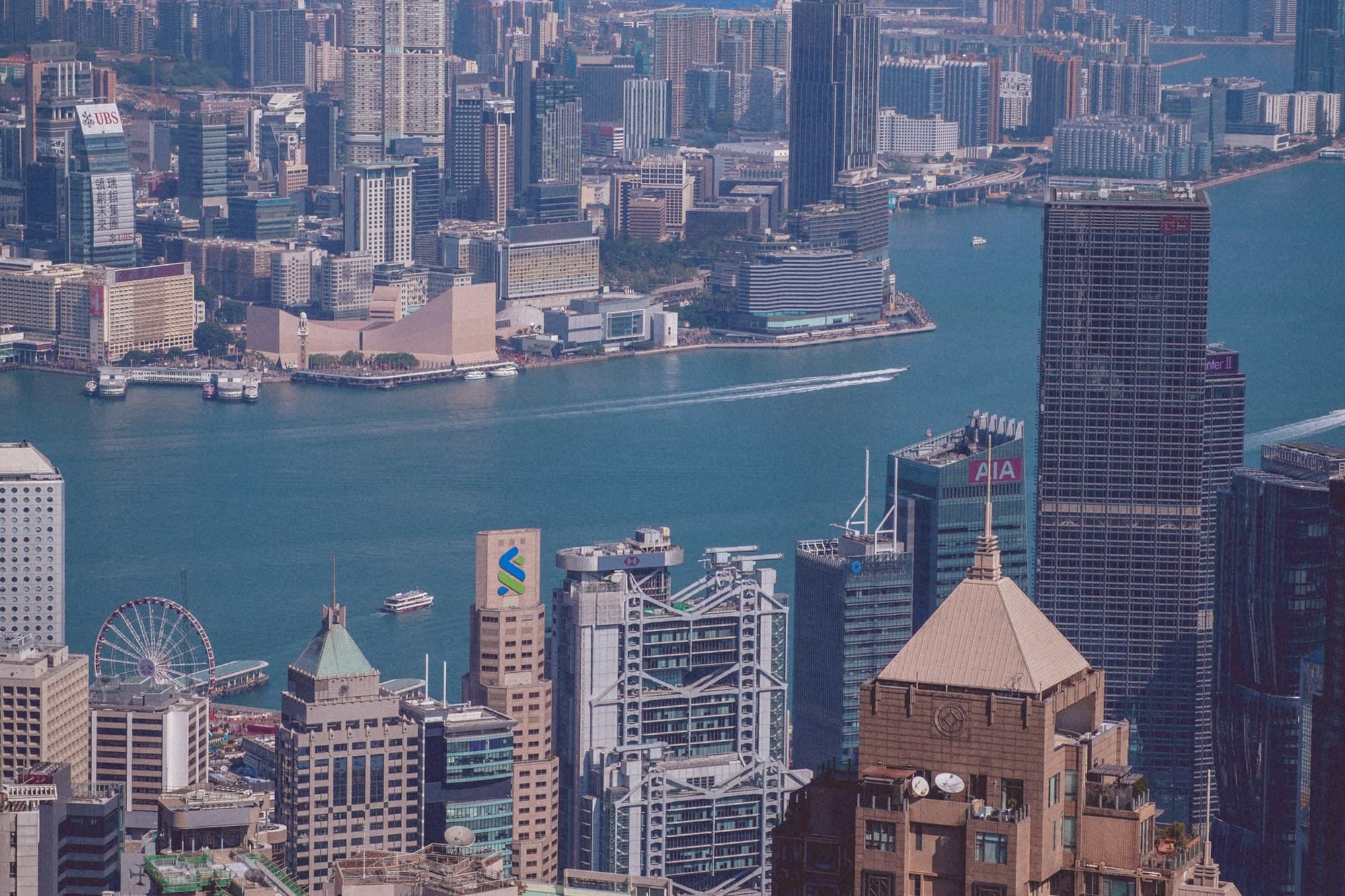
Famous attractions help cities draw visitors, but access and practical usefulness also matter. Bangkok leads the world with 32.4 million international visitors, followed by Istanbul at 23 million, London at 21.7 million, Hong Kong at 20.5 million, and Mecca at 19.3 million. These cities combine strong air links, regional demand, shopping, business travel, and gateway roles. The ranking therefore reflects both tourism appeal and the wider travel networks around each city.
A small group of cities dominates international visitor traffic
Euromonitor's public 2024 arrivals image shows a familiar pattern: a few cities attract enormous volumes of international visitors, while most destinations sit far below them.
What this chart measures
International visitor arrivals in 2024 (millions of trips).
How to read it
Selected cities shown for comparison, not a full global ranking.
Euromonitor's public 2024 arrivals image shows Bangkok leading the ranking.
A stopover-heavy city where geography and airline reach stack together.
A global business and tourism city with huge long-haul pull.
A regional gateway with intense short-haul circulation.
Religious travel can generate enormous concentrated demand.
The biggest international-visitor cities are not random tourist winners. They are places where regional access, airline reach, and repeat demand meet.
Source: Euromonitor public Top 10 city arrivals image (2024)
City rankings do not match country rankings
One reason city rankings are so interesting is that they do not line up with country-level tourism data. Thailand is a popular country, but Bangkok’s 32.4 million would be impressive even if the rest of the country did not exist. A city ranking rewards concentration. It highlights places where international travel gathers densely enough to become part of the city’s everyday identity.
- City rankings show concentration, not just popularity.
- A strong city can outperform what people assume from the national brand alone.
Air connections matter almost as much as attractions
Cities at the top of these lists are rarely hard to reach. Istanbul is served by Turkish Airlines, which flies to more countries than any other carrier. Bangkok sits at the centre of Southeast Asia’s budget-airline boom. London Heathrow handles 83.9 million international passengers. Visitors are not all taking grand once-in-a-lifetime holidays. Many are fitting a city into a larger circuit, using it as a stopover, or returning for short business trips.
- A city gets a boost when it sits inside a busy regional flying system.
- Short-haul repeat trips can lift a city as much as long-haul tourism.
Some cities win because they do several jobs at once
The leaders are usually multifunctional cities. Bangkok is a leisure destination, a shopping city, a medical-tourism hub, and a gateway to the rest of Thailand. Dubai is a stopover, a business centre, a shopping destination, and a beach resort. Mecca draws 19.3 million visitors through religious travel alone. Cities that serve several travel purposes at once are much harder to displace than one-trick destinations.
- The more reasons people have to visit, the steadier the ranking becomes.
- Cities with several travel roles age better than single-purpose hotspots.
Regional geography quietly shapes the ranking
Visitor counts are shaped by what sits nearby. Bangkok benefits from 700 million people in Southeast Asia. Istanbul sits between Europe and the Middle East. Hong Kong draws from mainland China’s 1.4 billion people. A city inside a region with many neighbouring markets and strong airline competition has a built-in advantage that no amount of monument-building can replicate.
- Regions with dense populations and many nearby countries create repeat city demand.
- That regional layer is easy to miss when people focus only on landmarks.
The ranking is really about habit
The cities with the most international visitors are places travelers, airlines, businesses, and families use year after year. A city can be exciting without being globally central. Reaching the top of this ranking requires becoming part of the world's travel routine, supported by decades of infrastructure, accessibility, and reliable demand.
References
Sources
- 1Euromonitor 2024 city destinations press release
The public press release embeds a Top 10 international-arrivals image used for the city comparison here; it is not a downloadable full raw table.
- 2UN Tourism Barometer Data
Background context on international tourism recovery and concentration.
- 3ACI World airport rankings
Context for the air-connectivity side of city demand rather than the primary city-arrivals ranking itself.
Start calling abroad
Keep exploring the subject
Read more source-backed explainers about travel, migration, borders, money, and the systems that shape life across countries.